
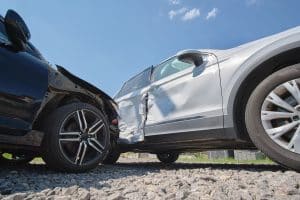
 After an accident, you’re likely focused on medical bills, insurance hassles, lost wages and your physical recovery. Getting up to speed on the smartest ways to pursue litigation is secondary, at best.
Still, a better understanding of how you can recoup damages may help you make better decisions for you and your family after suffering serious injuries in a crash. Here are four things to know about your right to compensation after a Texas car accident.
1. No One Is Paying You out of the Goodness of Their Hearts
The driver who caused your crash and the insurance companies involved are not going to pay you simply because they feel bad for you. Any money you collect in compensation is being paid begrudgingly.
If they can avoid paying you through any legal means, that’s exactly what they’ll do. Only your legal right to compensation is protecting you.
2. Texas State Laws Are the Primary Source of Your Rights
When you file a suit after a crash, you’re engaging in a case of tort liability. Tort law is older than the United States and stems from old English traditions.
However, it has changed enormously over the centuries thanks to the cases and issues tackled by local courts. Tort law is concerned with another person violating your legal rights, and the specifics can vary from one state to the next.
Fortunately for you, English law doesn’t control your rights; Texas law does. In Texas, there are no caps placed on the monetary amount you could be awarded for pain and suffering.
However, Texas cases also operate under a modified comparative fault system. If you’re found to be 51% or more at fault, you’ll receive no compensatory damages. That’s just one reason why you need an attorney who understands Texas courtrooms to represent you.
3. Responsibility Can Stem From Breach of Duty
The heart of any tort claim is the breach of a duty. In a typical car accident claim, one driver fails to uphold the duty they have to other drivers and, in that failure, causes someone else harm.
There are many ways to breach your duty of care as a driver. Speeding, distracted driving, drunk driving, failing to signal a lane change and countless other misdeeds are all breaches of duty that can contribute to a crash. When you hear that a driver was negligent, it simply means they failed to do what they were required to do under the law.
4. You Must Be Able To Name Damages and Responsible Parties
The basics are simple, but in practice, these cases are highly complex. Even if you can prove another driver was negligent, that doesn’t settle the matter of what you should be paid. Finding the correct amount of damages and identifying all the parties who should be held responsible can be difficult.
After a crash, expenses start to pile up at an alarming rate. Some things, like medical bills, car repair or replacement costs, have real numbers attached to them. Others, like your pain and suffering and the mental anguish you’ve been put through, don’t come with price tags.
To get full compensation, you need someone to guide you through the legal process.
Exercise Your Rights by Contacting The Fell Law Firm Today
At The Fell Law Firm, we have extensive experience with Texas car accident claims. If you need a personal injury attorney, we have the knowledge and skill to protect your rights in and out of the courtroom. Call us at 972-450-1418 or contact us online to schedule a consultation.

